Listen, pilot, build trust
50 initial leaders; contextual review; coaching and data systems
VISION
“The harvest is plentiful, but the laborers are few.”
Matthew 9:37
Prepared by Emmanuel Dusabimana
Draft for prayer, counsel, and partnership
Executive Summary
The greatest need is not simply more churches—it is more disciples who know how to make disciples.
Discipleship is not one department of the Church. Making disciples is the mission Jesus gave the Church (Matthew 28:18–20).
Part II • Context

Part II • Context
A young generation needs fathers, mentors, and guides.

Part III • The Calling
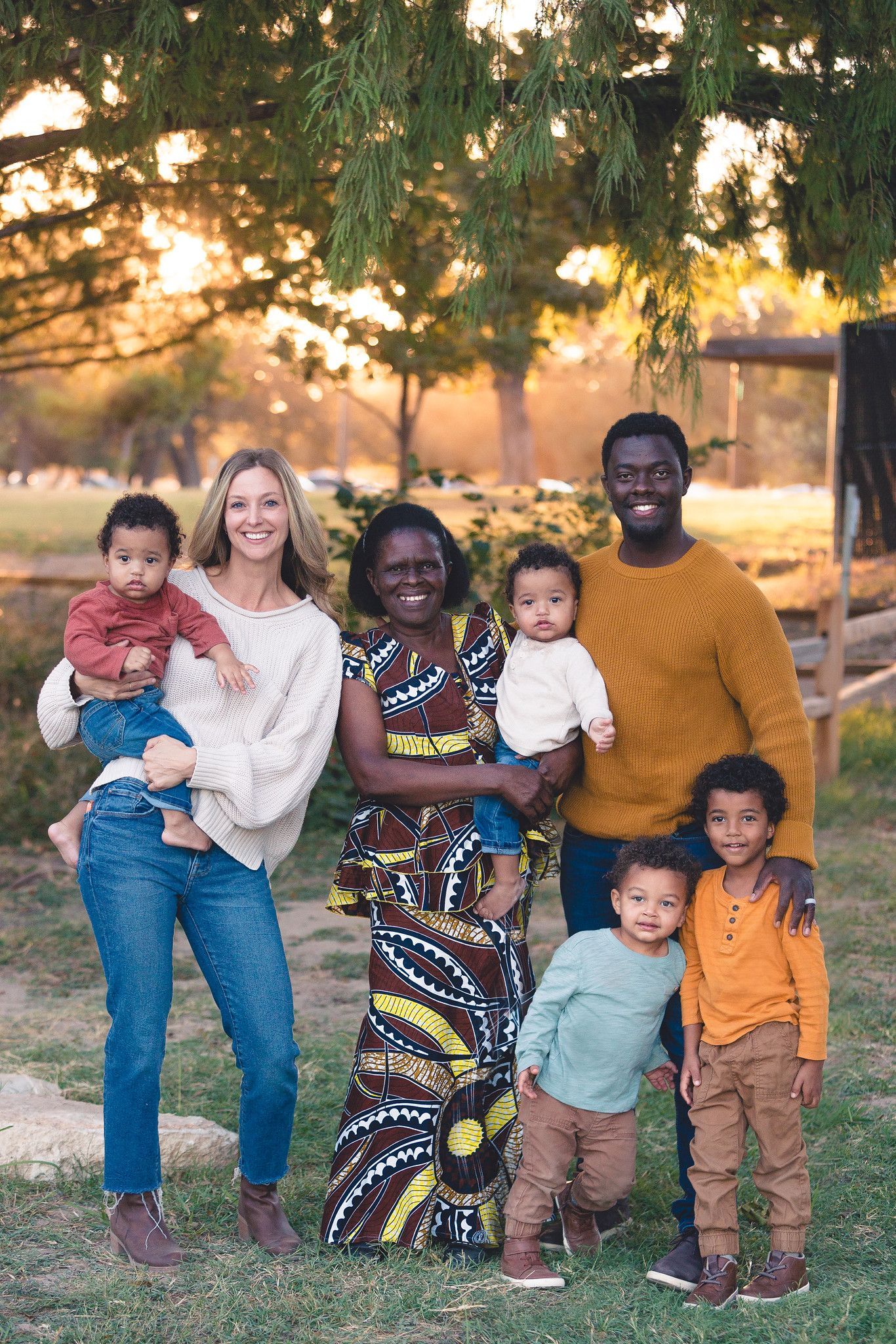
My name is Emmanuel Dusabimana. I was born in Rwanda and grew up in a nation marked by profound suffering and remarkable hope. Like many Rwandans, my family experienced the lasting effects of the 1994 Genocide against the Tutsi, including the death of my father.
Yet my story is ultimately a story of God’s grace. Faithful believers invested in me. They taught me God’s Word, walked with me, and showed me the love of Christ through consistent relationships. Looking back, I understand that they were doing more than helping a young boy. They were making a disciple.
My story is one reason discipleship is not an abstract strategy to me. I am living evidence of what can happen when faithful people invest deeply in one life—and when that life is equipped to invest in others.

Part III • The Calling
While serving in the United States has been a great privilege, the Lord has continued to draw my heart toward Rwanda. Lauren and I believe He is calling our family to return—not simply because Rwanda is my birthplace, but because relationships, preparation, experience, and conviction are coming together around a long-term assignment.
We do not return with the belief that Rwanda lacks gifted leaders. We return to come alongside pastors, churches, educators, and emerging leaders; to strengthen what God is already doing; and to help create pathways through which disciples become disciple-makers.
I know the language and culture, and I was saved there. I believe some of the most effective missionaries are those formed within the culture they are called to serve.

Part IV • Strategy One
The first and highest priority is to help local churches cultivate a culture in which disciples make disciples. This is not a campaign built around large events. It is a relational, church-connected, reproducible process that moves from pastors to coaches and elders, from coaches and elders to group leaders, and from group leaders to new groups.

Part IV • Strategy One
Disciple-making groups will utilize the Evergreen Discipleship Guide—a simple, biblical, and reproducible guide designed to help believers grow through Scripture, prayer, obedience, accountability, intentional relationships, and multiplication. Evergreen should consistently be described as a guide, not a curriculum. The distinction matters: the aim is a shared life of following Jesus, not merely the completion of classroom material.

Part IV • Strategy One
BLESS is the outward-facing rhythm within the disciple-making process. It helps prevent groups from becoming inward-looking and keeps evangelism connected to prayer, hospitality, service, listening, and genuine relationship.

Part IV • Strategy One
As the network grows, we propose building dedicated software to help leaders care for people and understand what is happening across the movement. This would not replace relationships, coaching, or pastoral judgment. It would give authorized leaders one reliable system for following group health, supporting leaders, and reporting progress truthfully.

Part V • Strategy Two
The Gospel transforms how people live, lead, work, and serve.
We want to create businesses where discipleship is the mission through their goods and services. Rwanda is such a young country, and this is a very crucial element.
We want to create a space where leaders are equipped and businesses are developed. We want to fuel the economy. We want to practice the Gospel practically by providing jobs, especially to those in the disciple-making movement around the country. This is also a strategy to share the Gospel with those who do not know Christ. Everyone needs a job.
The mission of this center is to:
Provide practical entrepreneur training from a biblical perspective
Offer counseling for the well-being of our people as they work through traumatic events
Offer funding for the business ideas that come out

Part VI • Strategy Three
To build the body of Christ for the display of His splendor.
To equip the saints for the work of ministry from our homes, neighborhoods, and to the ends of the earth.
Strategy Three is to be a church where Jesus Christ is glorified, saints are equipped to make disciples through church planting, and saints become missionaries in other nations.
Pastors equip the saints.
Equipped disciples make disciples.

Part VII • Implementation
50 initial leaders; contextual review; coaching and data systems
Healthy cohorts; regional coaches; formal assessments; partner base
Additional districts; leader-of-leaders pathway; business pilot
Leadership center design; governance maturity; church-plant assessment
Progress toward 1,500 pastors; regional learning; long-term church and mission pathway

Part IX • Partnership
The Great Commission cannot be accomplished without great collaboration. I want to leverage relationships with pastors, nonprofits, and government institutions.
Get involved in mentorship.
Come visit.
PRAY • GIVE • GO TO MAKE DISCIPLES WHO MAKE DISCIPLES
A disciple-making movement rooted in biblical faith, servant leadership, and long-term partnership across Rwanda and East Africa.
Explore
© 2026 Returning to Rwanda. All rights reserved.